19.5 Wider effects of the UBI
UBI reduces crime and social unrest
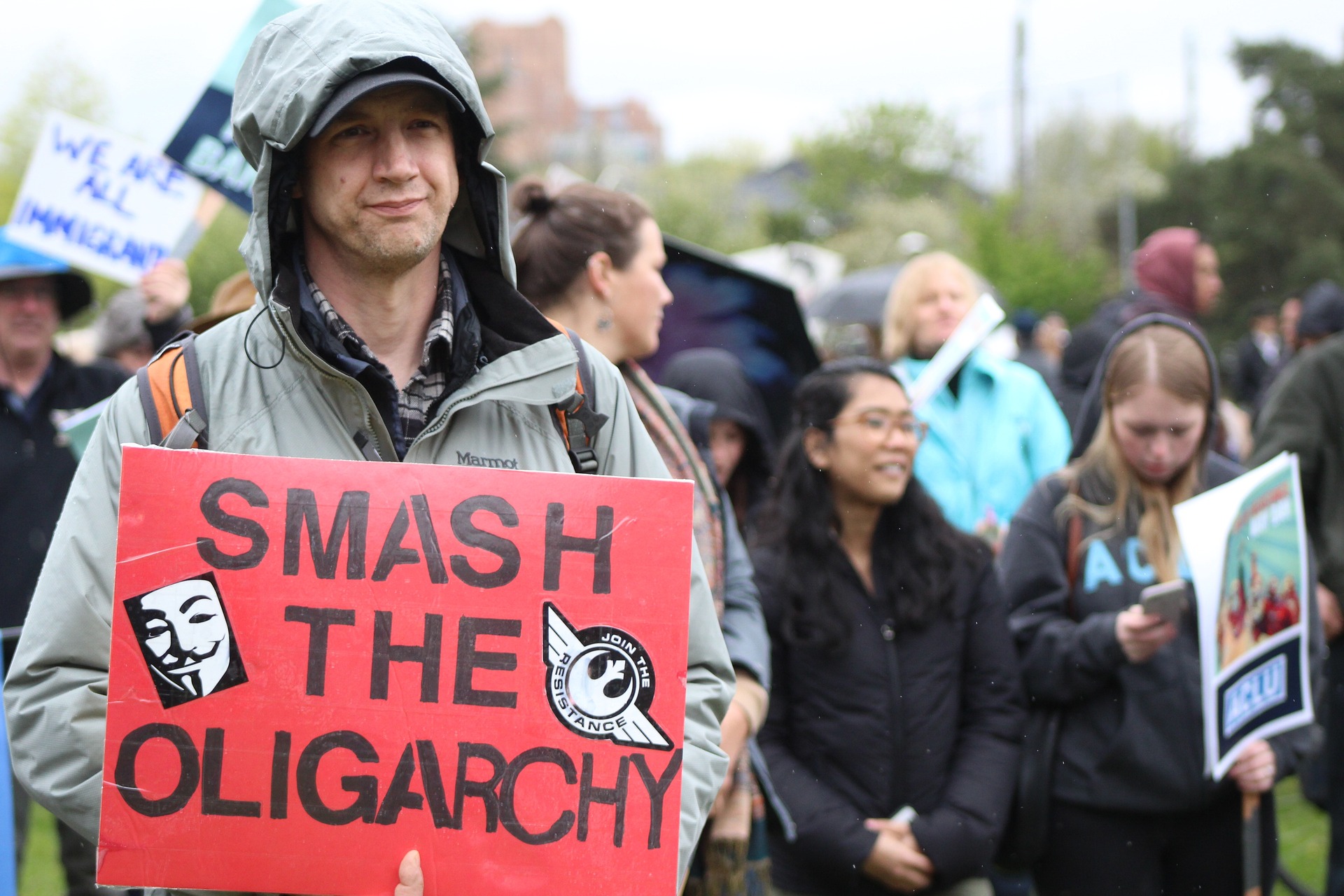
UBI reduces social unrest, and crime.
UBI strengthens workers’ bargaining power
A worker who depends on continuous employment for immediate survival has little bargaining power. They may be unable to reject poor wages or working conditions, leave an abusive employer, or spend time searching for a better position.
This is sometimes described as the worker’s “power to say no.” Philippe Van Parijs argues that the unconditional nature of basic income distributes bargaining power, allowing less-advantaged workers to distinguish between worthwhile and unattractive jobs.
UBI improves the worker’s position by providing an unconditional alternative to immediate employment. Workers can refuse unattractive offers, search for work that suits them, acquire skills, or attempt self-employment without facing immediate destitution. Employers must therefore attract workers through better pay and conditions.
Unlike a minimum-wage law, UBI does not prohibit workers from accepting employment at a wage they consider worthwhile. It strengthens their ability to negotiate while preserving freedom of contract.
Leisure versus work
Citizens can choose not to work, it is a valid choice, and nothing to be embarrassed about.
The effect of a large proportion of the population that prefers leisure is that the minimum standard of living will be lower because there is less work and more mouths to feed, but there is a negative feedback loop so it's not an issue (poor minimum living standards drive more of the population to work).
It seems unlikely that too many people will live a life of leisure, a common problem is modern society is that people overwork themselves. It seems to be a common human trait to want to work hard. This might even become more of a problem in a society that promotes individualism.
In any case we are steadily moving into an era where a good living standard doesn't require significant human labour. For example, the food industry is highly automated. Farmers now use equipment such as a 20 tonne combine harvester, which allow one person to do the work of hundreds of people before the industrial revolution. We are even going down the path of driverless vehicles (e.g. haul trucks in mines). This is only going to increase.
UBI allows people to be creative
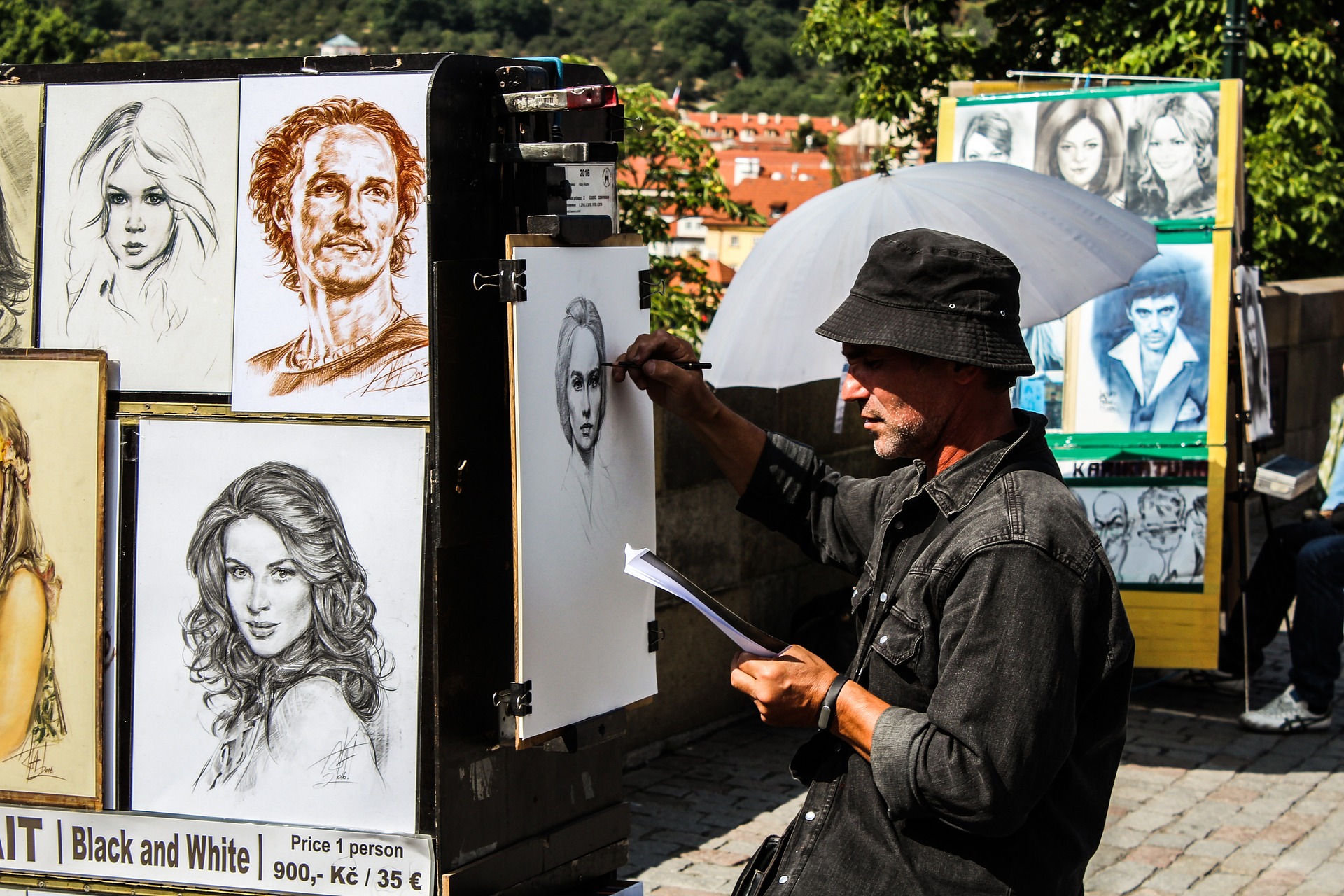
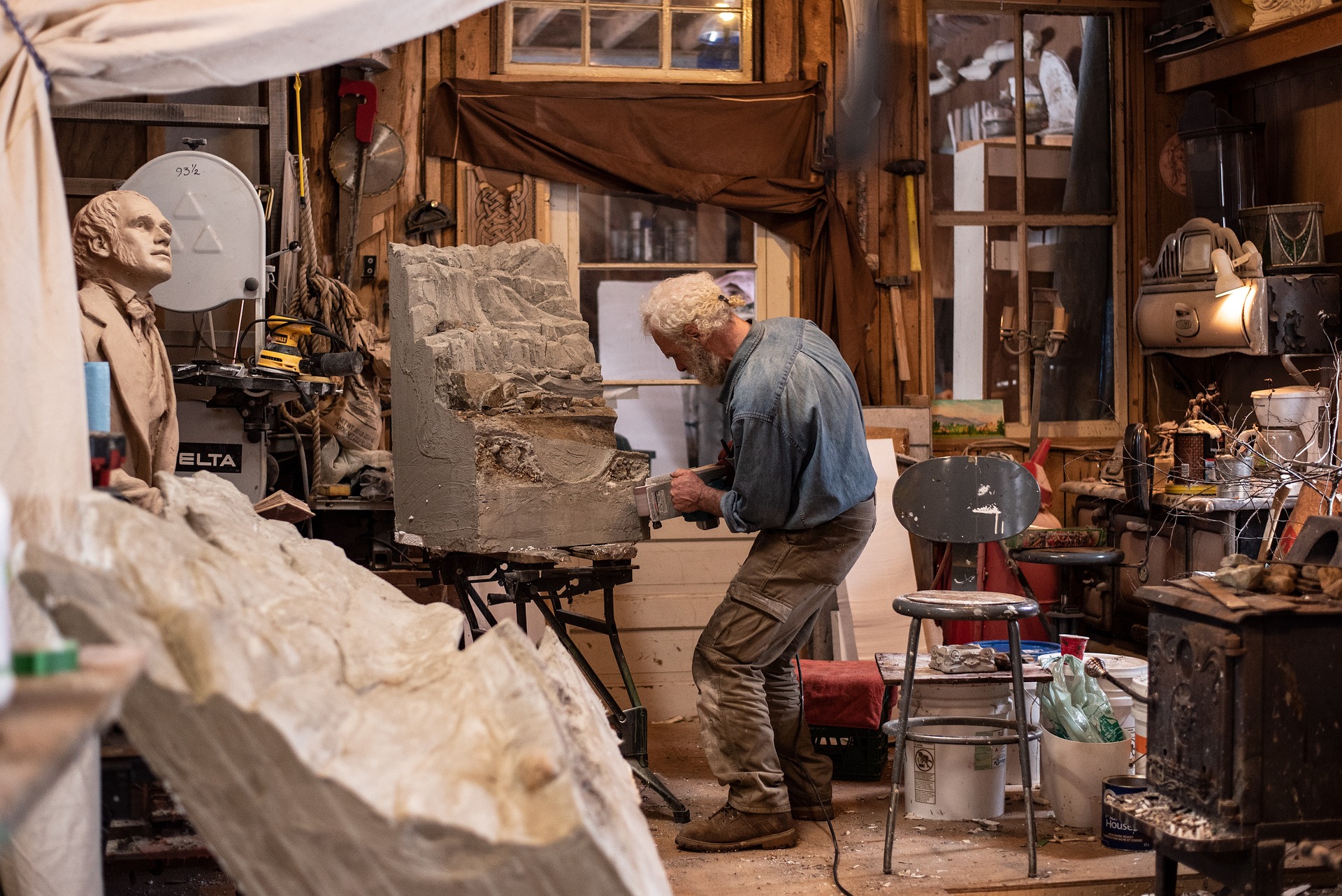
UBI tends to advance culture and the arts, because individuals are free to pursue their creative talents.


Summary
- UBI represents a negative tax offset
- UBI makes the tax progressive
- UBI provides welfare and is capable of eliminating poverty
- A person's wealth, property or income doesn't affect their entitlement to UBI
- Ensures everyone exercises power over public services through tax choice
- UBI reduces risk of creating disincentives to work producing a welfare trap
- UBI avoids the stigma associated with means tested welfare