19.4 Preventing poverty and welfare exclusion
UBI eliminates poverty
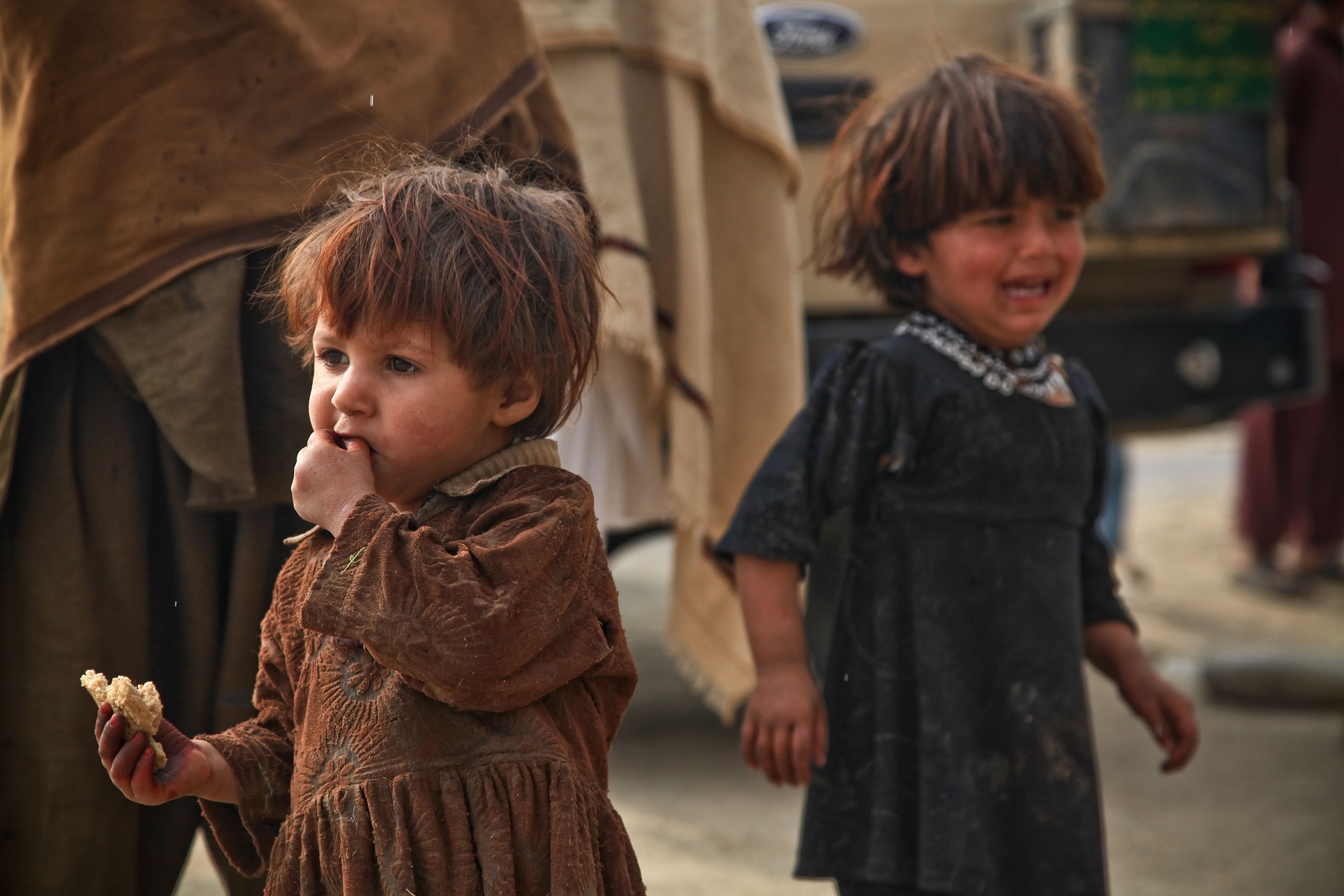
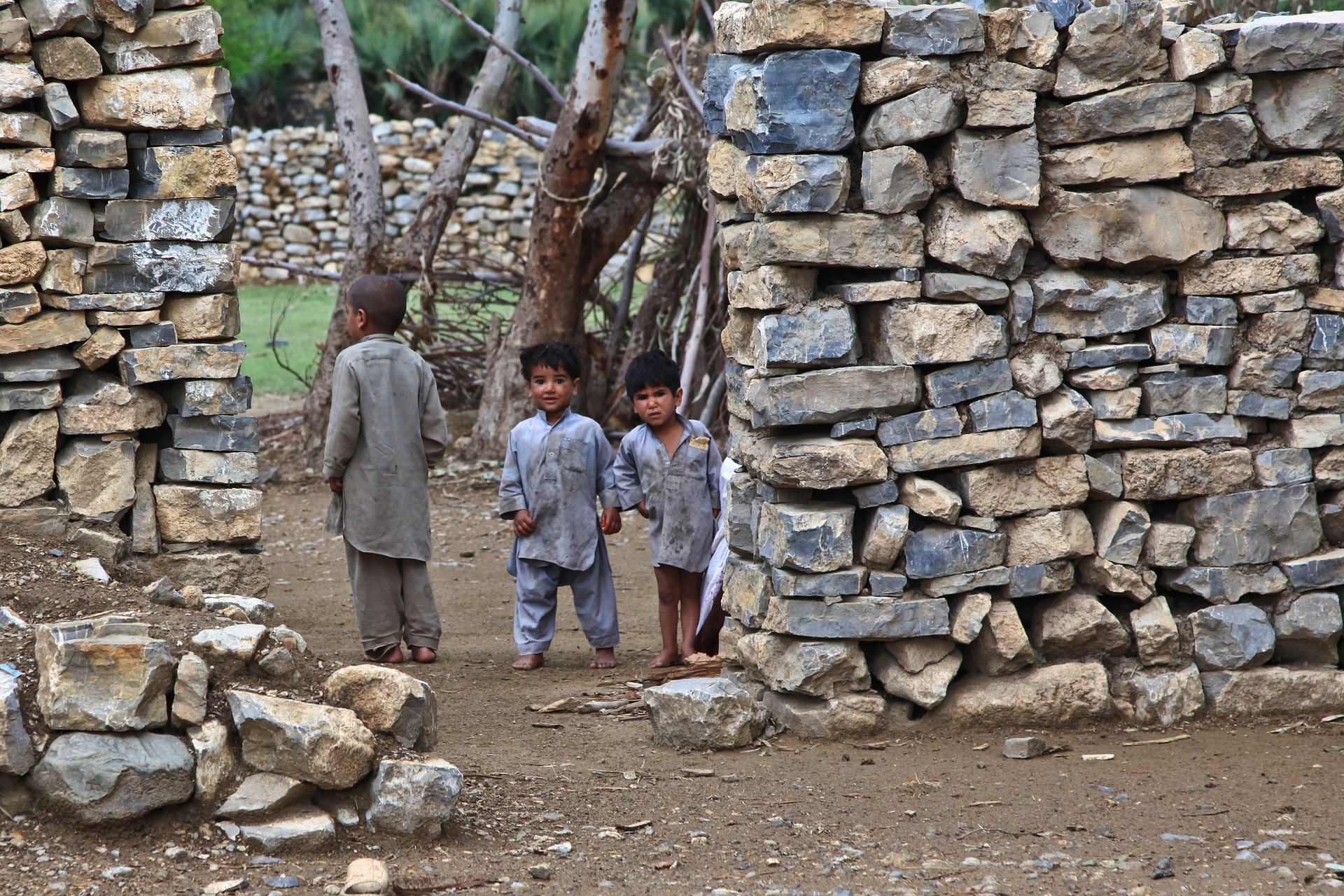
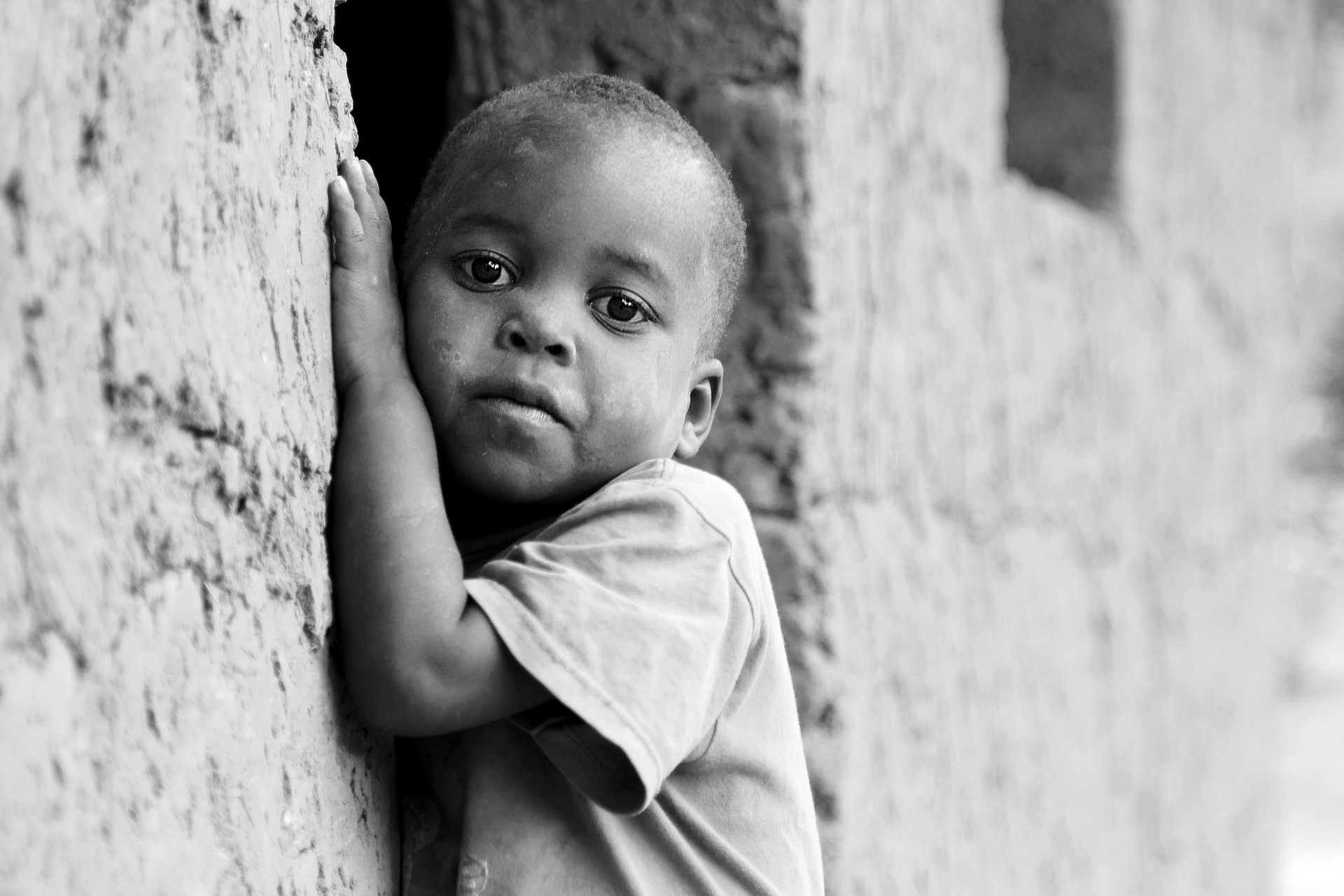
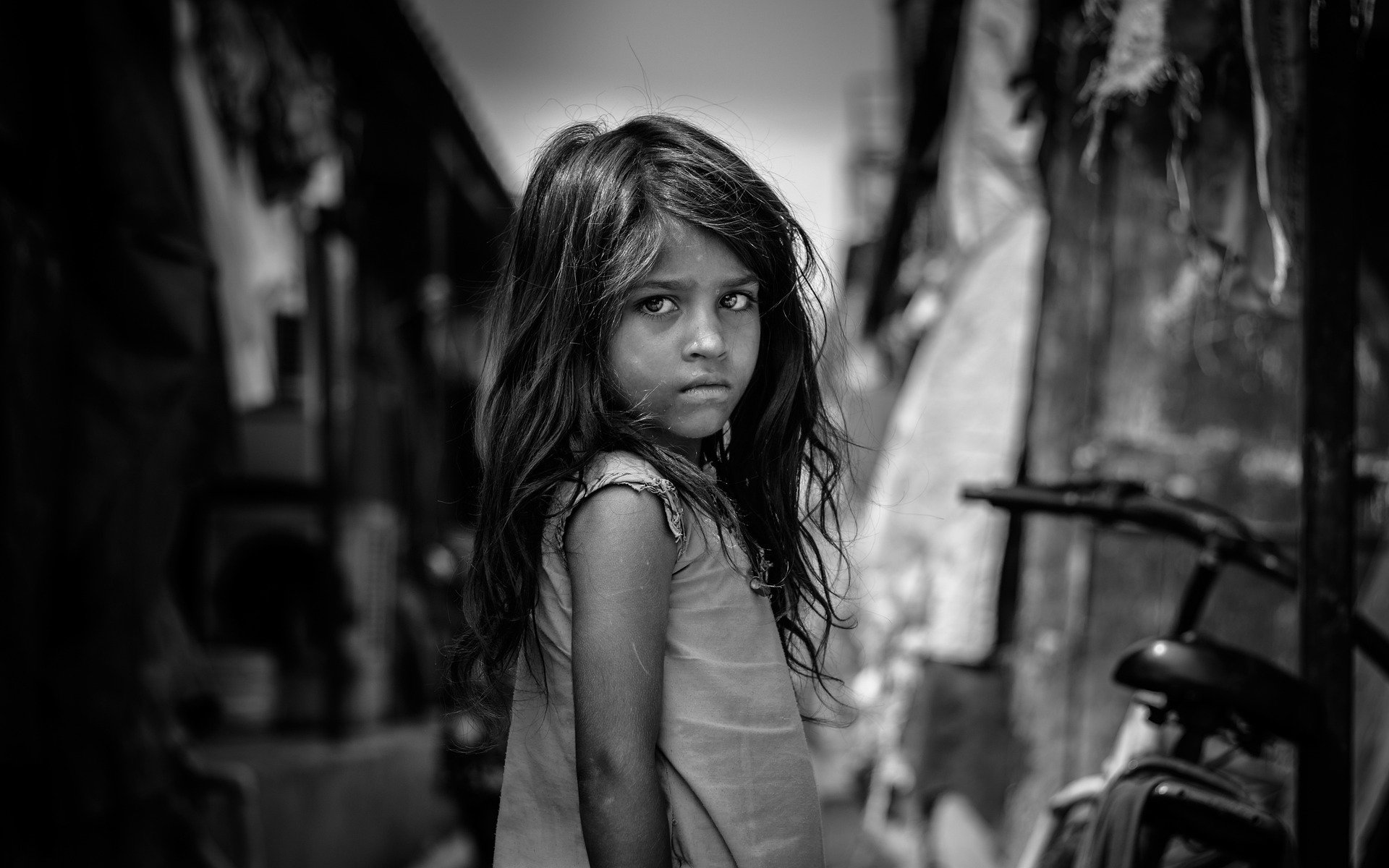
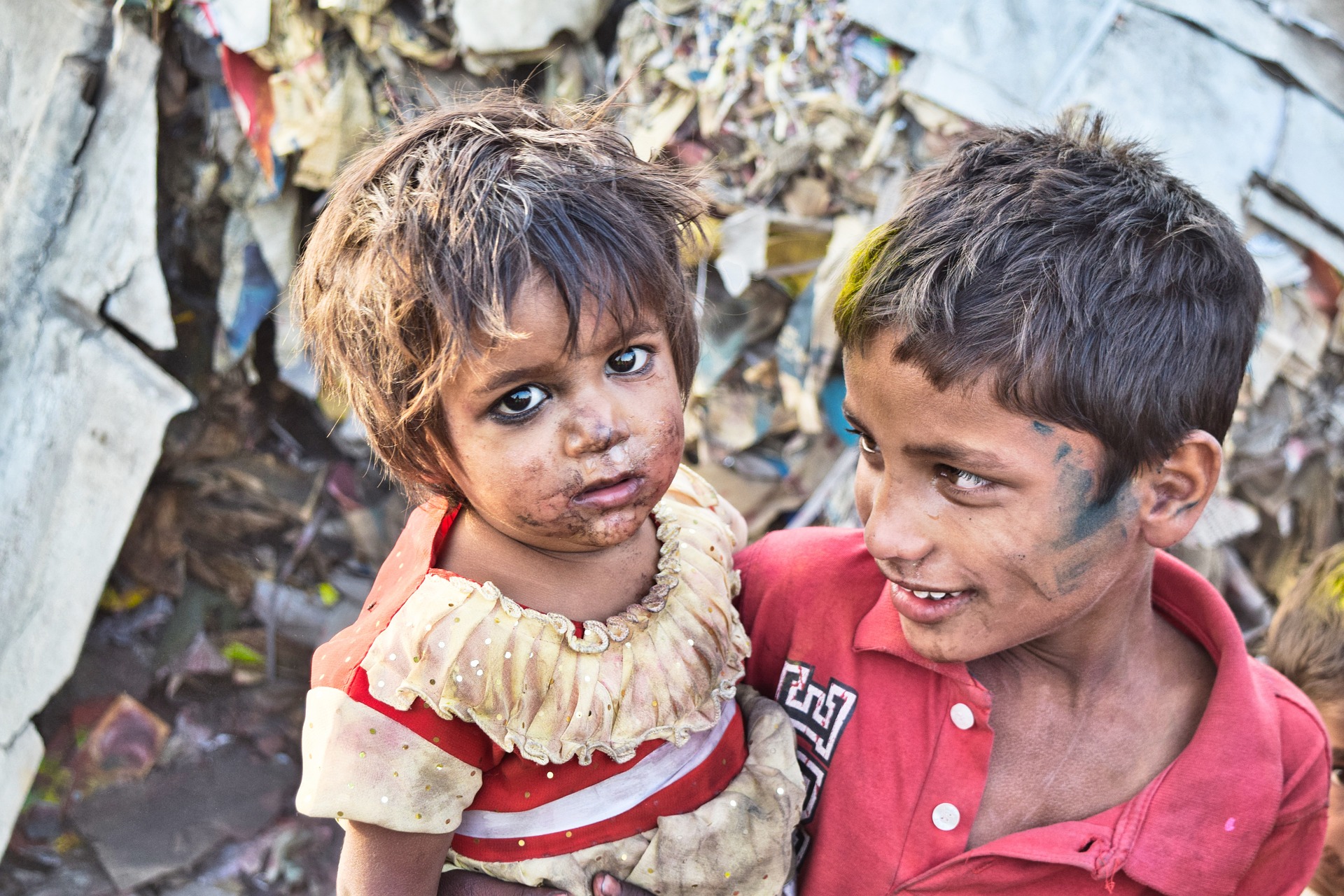
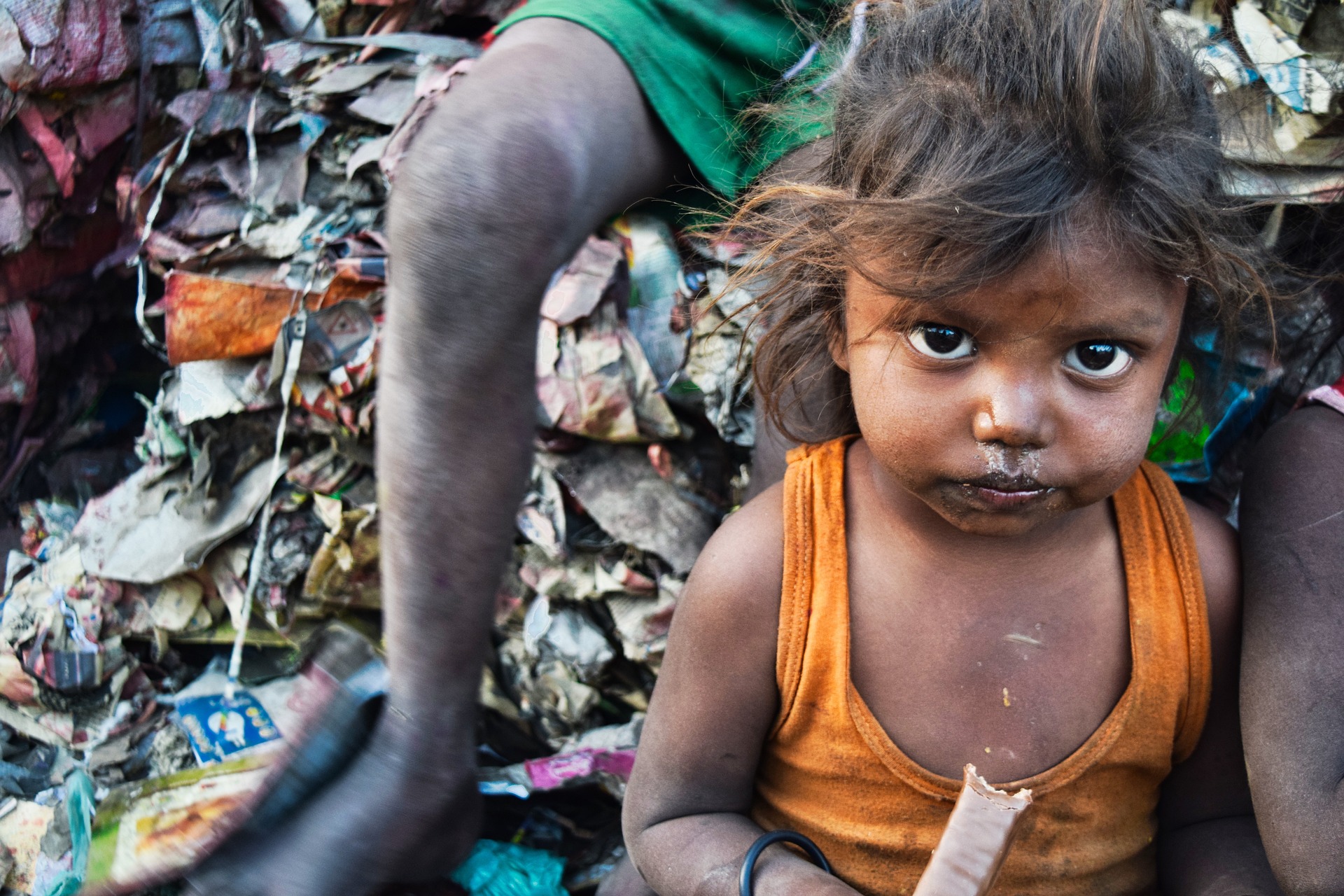
One of the main aims of UBI and universal services is to reduce misery and suffering, and extreme poverty.
 |
 |
 |
 |
 |
 |
UBI eliminates the stigma of being on welfare
Since everyone receives UBI, there is no stigma associated with receiving it, unlike the case for people on welfare, which produces low self esteem and derogatory terms such a "dole bludger", "dole head" and "welfare parasite".

Slipping through the cracks
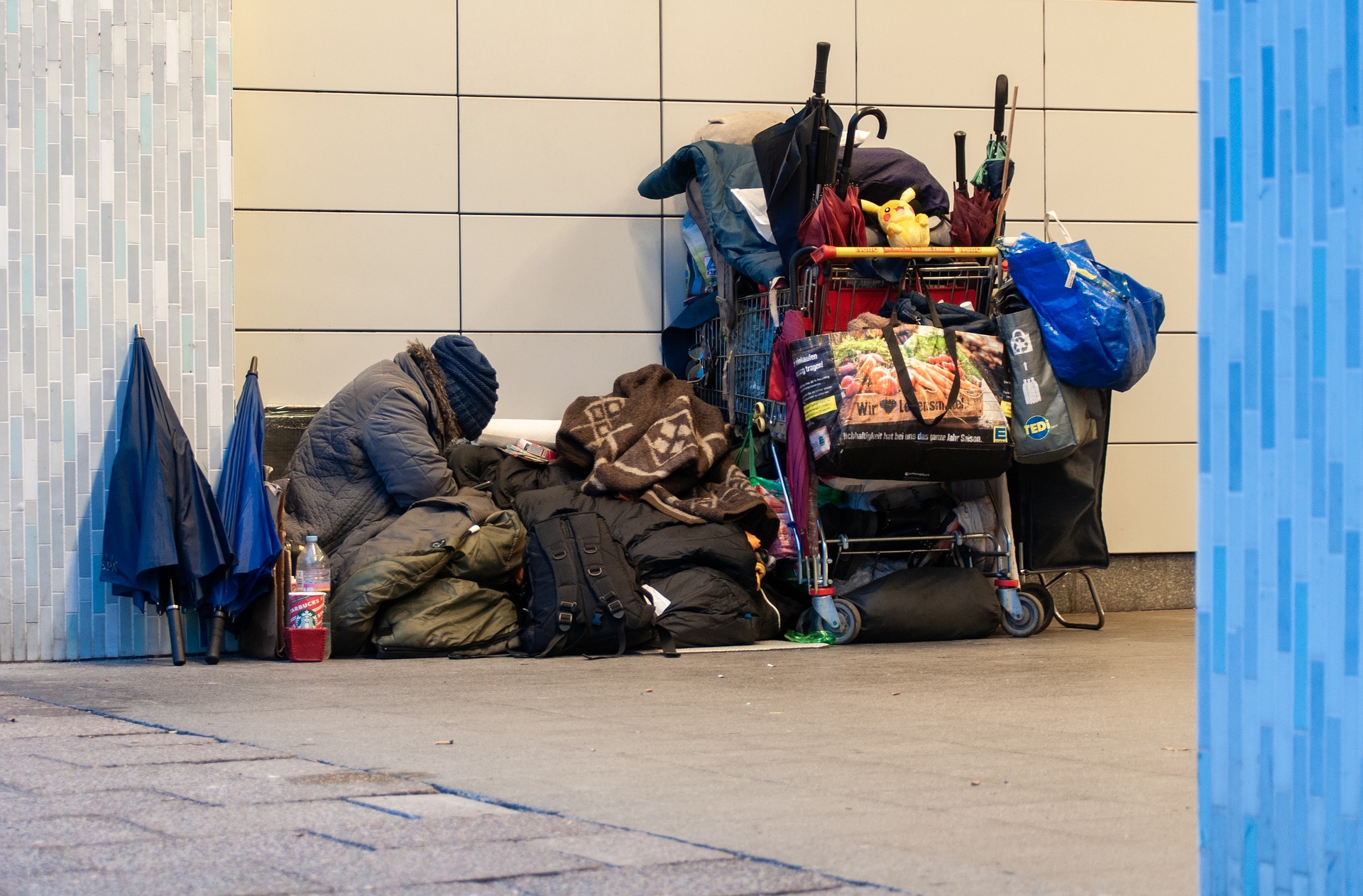
UBI eliminates many of the administrative and eligibility gaps through which people fall in a means-tested welfare system.
The complexity of means-tested welfare in Australia causes some people in extreme poverty to "slip through the cracks" and end up homeless and starving. This is widely supported by research and reports from welfare organisations. The system's complexity is a significant contributing factor to vulnerability and entrenched poverty.
The problems with Australia's highly selective and complex welfare system include:
- Non-Take-Up of Benefits: Research suggests considerable "non-take-up" of means-tested benefits, even by those who are eligible. This is often due to a lack of awareness, difficulty navigating complex application processes, or stigma associated with seeking help.
- Administrative Barriers: The sheer complexity of rules, paperwork, and digital systems (like MyGov and Centrelink) can be overwhelming, especially for individuals dealing with crises, mental illness, disability, or language barriers.
- Depletion of Resources First: Means-testing often requires individuals to deplete their personal assets and savings before they become eligible for assistance, leaving them with no safety net when a crisis hits.
- Systemic Gaps: Vulnerable groups, such as those transitioning out of institutions (like prison, hospitals, or foster care), face specific points of risk where gaps in service mean they are discharged into homelessness.
- Inadequate Payment Rates: For those who do receive payments, like the JobSeeker Payment, the rate is often below the poverty line, making it difficult to afford basic needs like nutritious food, medical treatment, or stable housing. This can lead to reliance on emergency food assistance and skipping meals.
- Structural Barriers: Systemic issues like a severe shortage of affordable housing and discrimination against certain cohorts (e.g., women leaving violent relationships, Indigenous Australians, young people) compound the problem, making it nearly impossible for some to access safe accommodation even with support.
The Consequences: Charities and community organisations frequently report that demand for basic essentials far exceeds supply, and they see people returning to homelessness repeatedly because the system cannot provide long-term solutions. The inability to afford essentials can have severe impacts on physical health, mental wellbeing, and safety, leading to the extreme situations of "no shelter and starving" described in the statement. The complexity of the system is often seen not as an individual failure but as a failure of government policy to adequately support its most vulnerable citizens.
Common reasons people fall through the cracks
In Australia:
- Visa Status and Residency Rules: Non-citizens on temporary visas, or even permanent residents who have not completed the required waiting period (often four years for access to most income support payments), are frequently ineligible for Centrelink support even if they are in severe financial need.
- Specific Circumstances Don't Fit Categories: Australia's system has many specific payment categories (JobSeeker, Age Pension, Disability Support Pension, etc.) each with its own strict criteria. People whose situation doesn't precisely match a category's requirements can miss out.
- Students: Eligibility for Youth Allowance is heavily dependent on parental income tests, which can result in students from middle-income families with limited parental support being unable to qualify for payments, despite having little or no personal income.
- Administrative Barriers and Complexity: The complexity of the application process, high evidence requirements (especially for the Disability Support Pension), and "mutual obligation" requirements can be barriers. People facing homelessness, mental illness, or a lack of computer literacy often struggle to navigate the bureaucracy, leading to denied claims or payment suspensions.
- Income/Asset "Taper Rates": Individuals earning a small, inconsistent income from casual work might lose more in welfare payments than they gain in wages due to complex income test rules and taper rates, effectively discouraging them from certain work and sometimes leading to a net loss of support if reporting is delayed or incorrect.
- Exclusion from "JobKeeper" during COVID: The exclusion of short-term casual workers (employed for less than a year) from the COVID-era JobKeeper payment meant many low-income workers, disproportionately women, had no access to this specific support despite job losses.
These gaps mean that certain vulnerable groups, including people seeking asylum, some single parents, and those with disabilities who don't meet the stringent 20-point impairment test criteria, face a high risk of deep and persistent poverty without access to adequate formal welfare support.
UBI cannot by itself eliminate every cause of homelessness or severe deprivation. Mental illness, addiction, exploitation, and housing shortages may require appropriate services as well as an income floor. Its specific advantage is that support cannot be lost because a person entered the wrong category, failed an activity test, or was unable to navigate an application process.