Chapter 35: Communal Centres
Public services for welfare
This is expected to provide adequate shelter, food, education, entertainment, public transport, health care and so forth for a significant portion of the population.
Free public services
For example, the following services should be free and available to everyone:
- child care centres
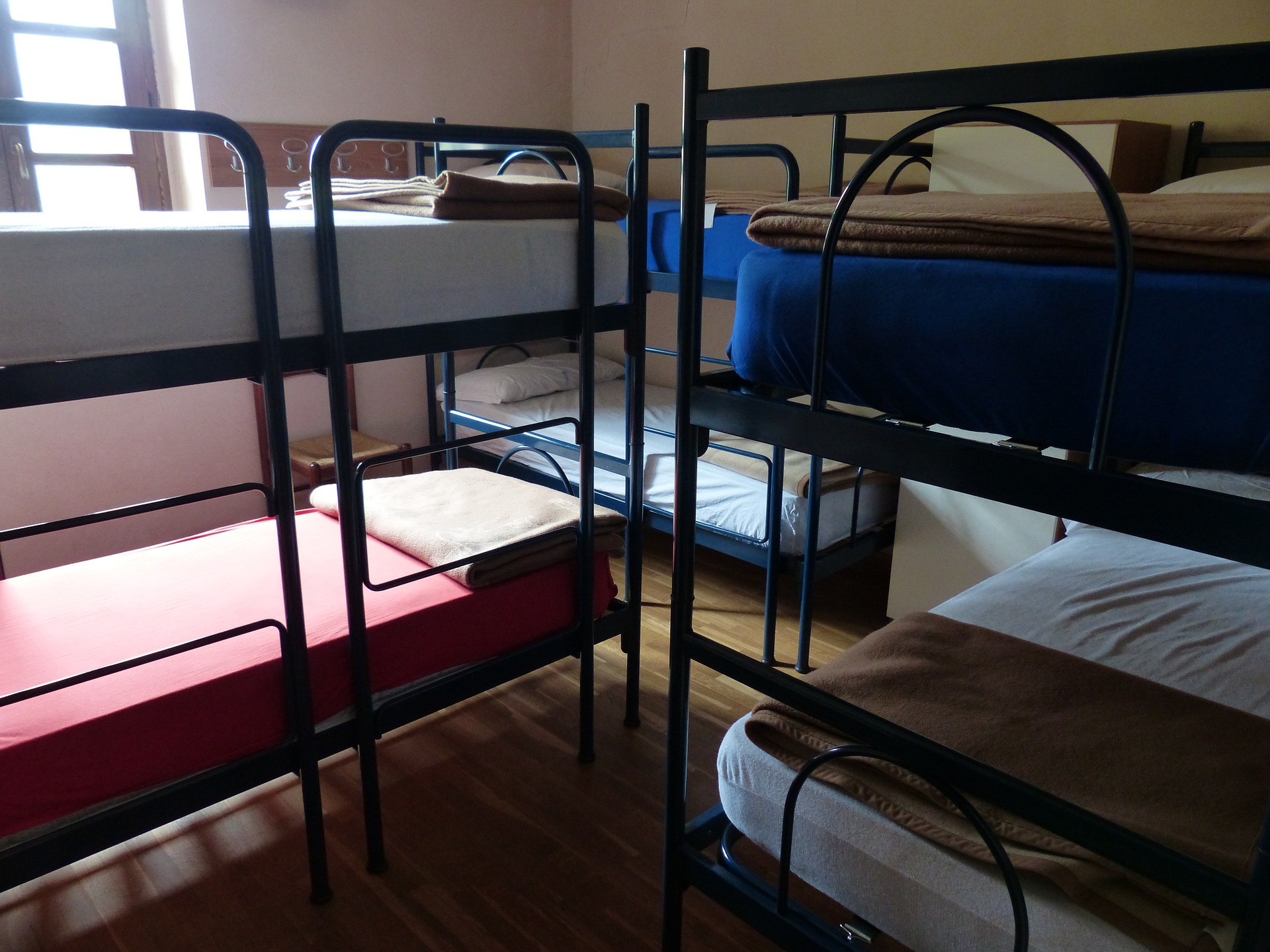
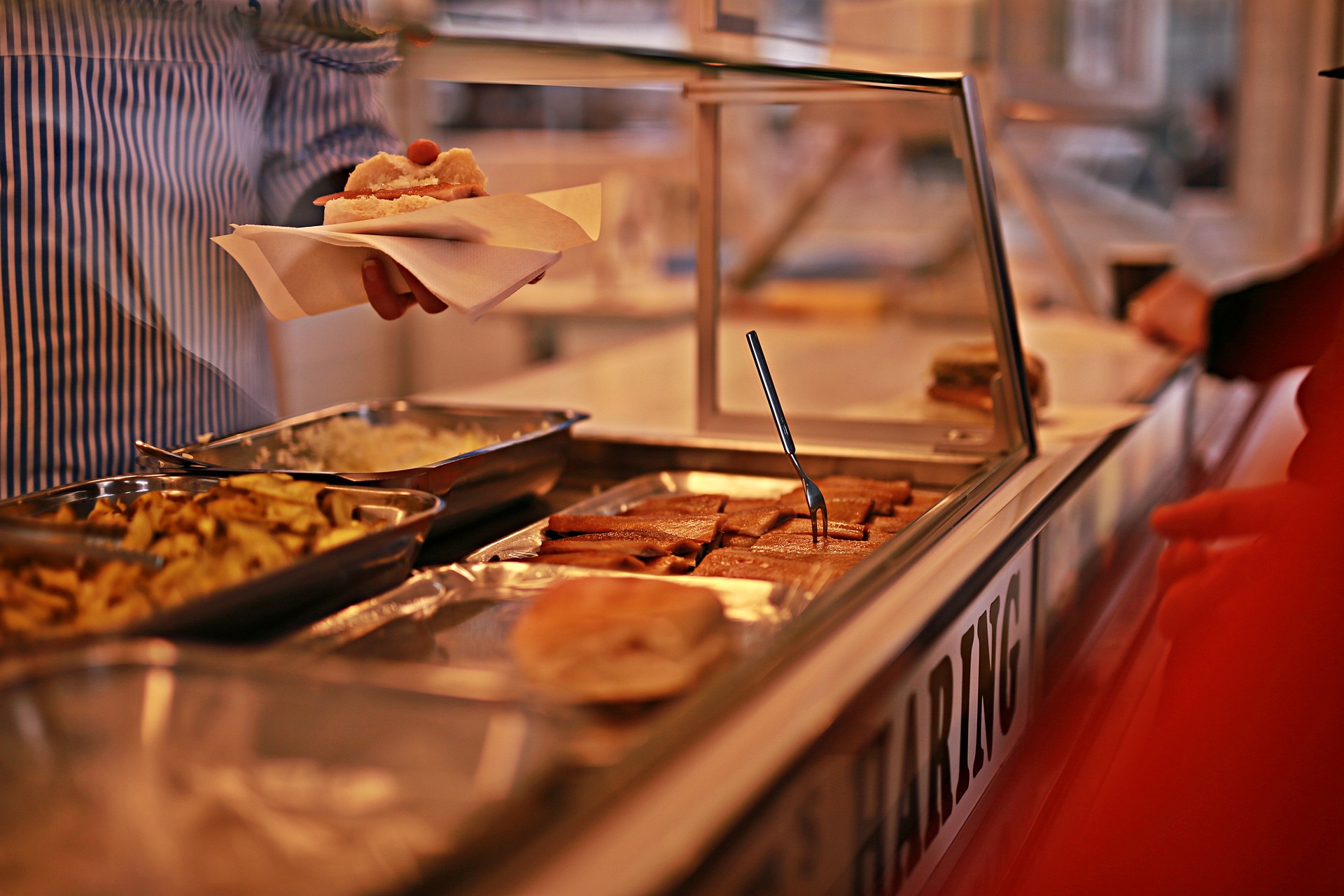
- communal centres offering shelter, food, tv areas, sports, games
- public transport
- wheel chairs
- health care
- medication
Although these are offered to everyone, they particularly help people in need.
Making these services free and available to everyone ensures they are heavily used by the public, and that makes them very effective because of the economies of scale, and that is ultimately better for tax payers. In one way or the other, workers are the producers for the population, it stands to reason that it is better if it's efficient.
Free public services have the effect of replacing some of the unpaid labour in the home with highly efficient paid labour. This has the effect of increasing people's enjoyment of life because they have much more free time.
Communal centres
A minimum level of shelter and food is provided as a free and high quality public service, usually in communal centres, where there are great economies of scale. These facilities are great for backpackers or people wanting to holiday or live on a budget, for people that are too young or old to work, are injured or have disabilities, have been made redundant, or are changing jobs. Since they are free and high quality they are used by a large portion of the public, so the great economies of scale provide significant savings.
Universal services
Under VoTa, universal, non‑categorical, high‑efficiency services replace targeted welfare.
The NDP forbids the state from treating types of people differently. A communal‑centre model does exactly that: it treats situations, not identities.
Anyone may use the shelter, food hall, child care, public transport, or health care.
This is the essence of NDP‑compatible welfare: universal access, no categories, no means tests, no identity‑based eligibility.
Even though the services are used mostly by people in need, the rule is universal, so the system remains non‑discriminatory.
Universal services are economically superior because of economies of scale. Universal services centralise fixed costs, eliminate administrative overhead, fraud detection, eligibility policing, rent inflation (as with rent assistance), perverse incentives, and EMTR cliffs. This is exactly why universal shelter and universal child care are cheaper and more stable than targeted cash transfers.
Universal services reduce the required UBI. If shelter, food, child care, health care, and transport is free, then the UBI does not need to be large. It becomes a freedom dividend, not a survival payment. This directly addresses the Laffer‑curve concern: redistribution through universal services does not distort labour supply the way income‑tested transfers do.
Universal services fit perfectly into VoTa’s competitive model. Under VoTa, these universal public services are run by contracted private operators, funded by citizen‑directed tax allocation, and evaluated through public ratings and transparent metrics. The operators are competing for users and funding. This transforms communal centres from bureaucratic institutions into competitive public services. The result is higher quality, lower cost, innovation, accountability, and no political capture.
Universal and free services for child care, shelter, food, entertainment, public transport, wheelchairs, health care, and medication don't violate the NDP because access is universal, rules are behavioural, not identity‑based, no one is classified as “poor”, “homeless”, “disabled”, etc, and the services are modular and competitive. This is the cleanest possible welfare architecture under the NDP.