Chapter 21: Direct versus representational democracy
Direct democracy without unlimited majority rule
Giving the people the final say does not mean giving a majority unlimited authority. Majority support determines which permissible initiatives are enacted; it does not determine which actions are permissible. Ordinary initiatives remain subordinate to the constitution and cannot displace its principles merely by attracting more votes.
The Non‑Aggression Principle prevents a majority from authorising aggression against individuals, even through a rule that applies to everyone. The Non‑Discrimination Principle prevents it from using the state to grant selective benefits or impose selective burdens. Citizens may therefore decide directly among lawful alternatives, but they cannot use an ordinary initiative to vote away the rights of a minority.
Representative democracy attempts to control majority power by filtering it through elected officials. But representatives have their own incentive to win elections and may serve a majority at the expense of a minority rather than protect it. VoTa does not depend on politicians being wiser or more principled than the electorate. It places the restriction in the constitution, limiting what either voters or officials could legitimately enact.
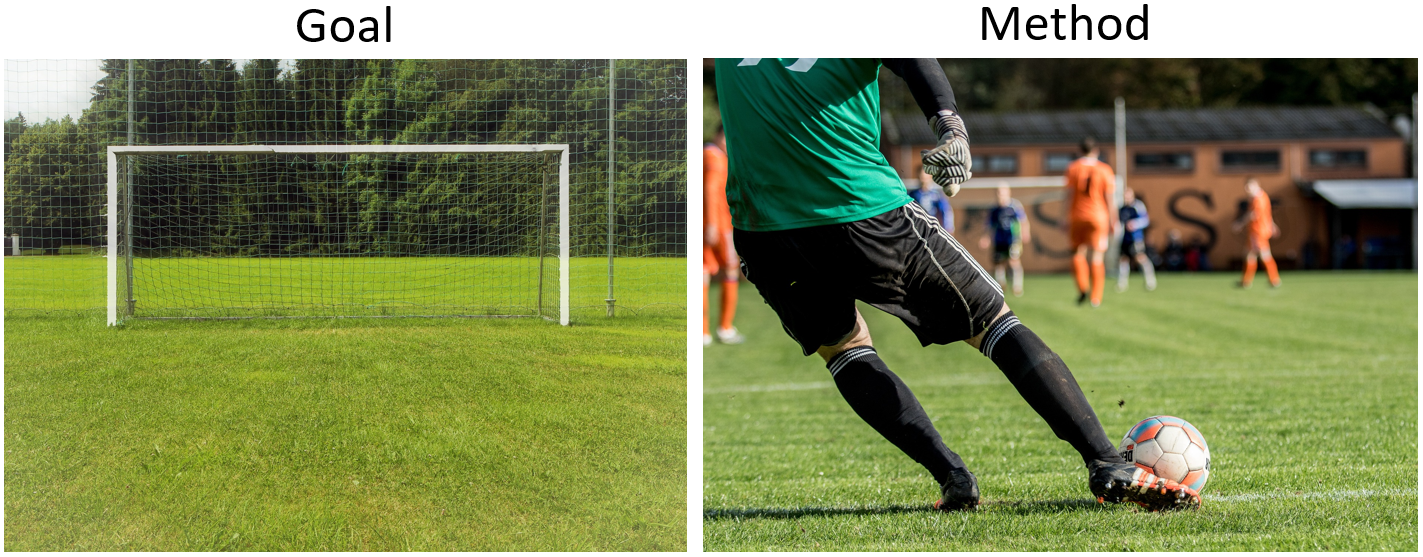
Goal versus Method
It is a good idea to distinguish between the goal and a method for achieving a goal. The goal is a better question for the public at large. The method is a better question for the experts. There is a spectrum between expert and non-expert and the "intermediates" are important because they help bridge the gap between a small number of experts and many non-experts.