21.1 Jordan Peterson on democracy
Pandering to the mob
Jordan Peterson has a low opinion of Direct Democracy and said the following on PBD Podcast Episode 123:
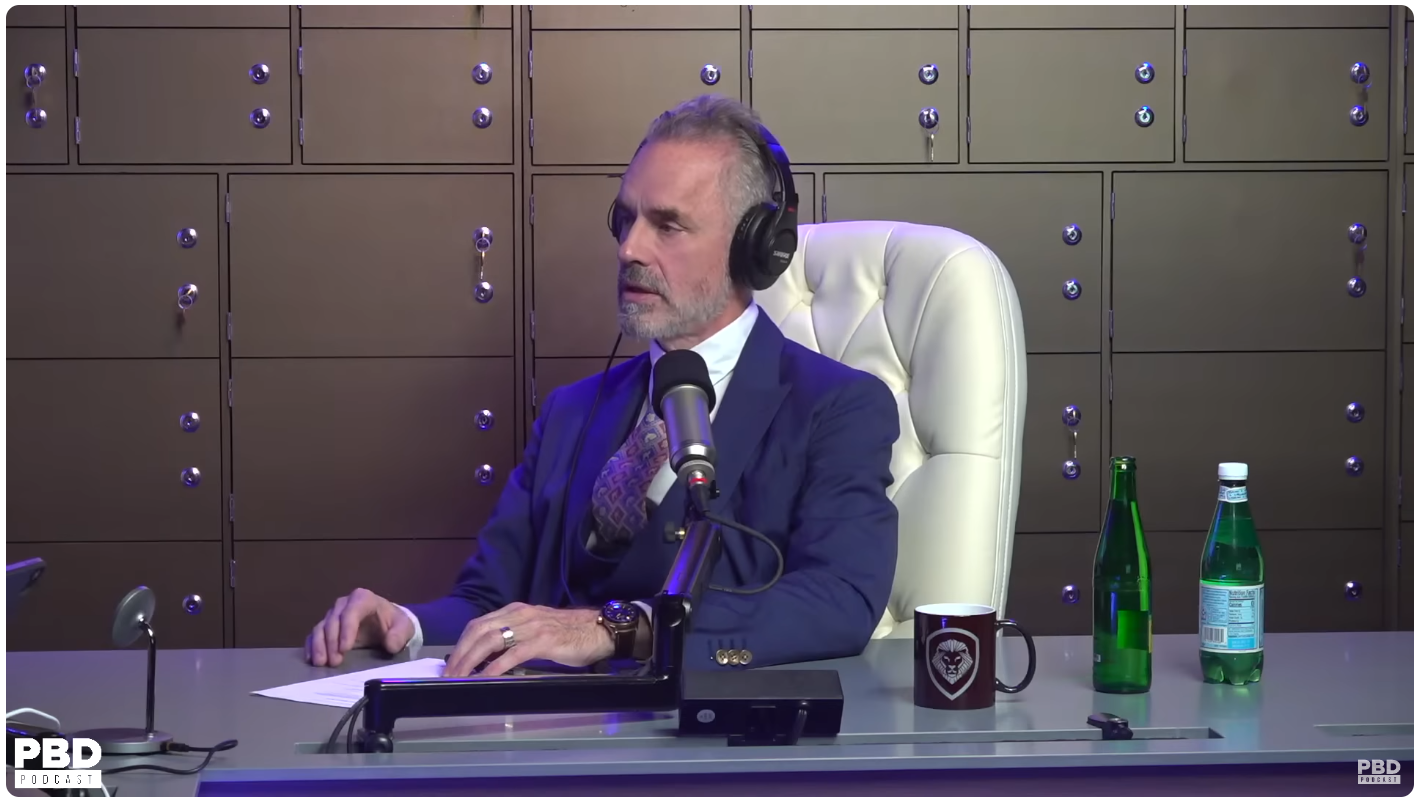
The entire parliamentary system is set up to follow the public in an intelligent way. It's not easy to figure out what people think, or what they want. It isn't even easy for individuals to figure out what they themselves think or want. It's really hard, and these traditions that we have set up of representative democracy are ways of listening to the people that are measured, and thoughtful and long term and they are being supplanted by idiot opinion polls that are run by people who have instrumental desires. They want to win the next election. I know you have to win the next election. But pandering to a mob who's frightened because you scared them, that doesn't constitute leadership, it's certainly not democracy. There's a reason why we don't have direct democracy. It's rule by impulse. It's not a good structure. It's not a good strategy. We figured that out a long time ago. Our organisations are way too large and complex for anything like direct democracy to work. Are we going to have a vote on every issue? Obviously not. People just don't have the expertise for that. It's not like they shouldn't be consulted. They absolutely should be. The voice of the people is the sovereign master of the political enterprise. What a leader does is aggregate that voice.
This appears to be a rather inconsistent position: How can it be stated that the people are the sovereign master of the political enterprise, and yet also claim the people are impulsive and direct democracy is pandering to the mob?
Peterson’s objections are serious objections to a naive implementation of direct democracy, but they do not show that direct democracy itself is unworkable. They assume that every citizen must master every issue, rather than considering a system that separates technical design from public choice and makes participation voluntary.
Scale and complexity
Peterson said:
Our organisations are way too large and complex for anything like direct democracy to work.
Designing services is different from selecting them
Selecting public services is like selecting Products for a supermarket trolley. A shopper does not need to know how a Product was designed, manufactured, transported, or priced. Familiarity with how well it works for them is enough. In the same way, a taxpayer can know that a railway is reliable, a hospital provides good care, or a park is clean and safe without understanding railway engineering, clinical administration, or park maintenance.
Under VoTa, technocrats write the initiatives. Each public-service initiative includes a fully costed contract defining what is to be provided and the funding required to provide it. Taxpayers do not design the service, calculate its budget, or divide their tax among it and thousands of alternatives. They simply rate whether they want the completed proposal. Technocrats contribute expertise about how the service works; taxpayers contribute knowledge of how well it works for them and whether they want it to be available.
The water-filling algorithm performs the allocation which would otherwise require financial expertise from every taxpayer. It allocates tax to a service only until the contract's budget has been filled, then applies the remaining tax to other services. Services are never overfunded, and the available tax is used to fully fund as many of the most strongly supported services as possible. The public selects; specialists design and cost; the algorithm funds.
Selection complexity is distributed
The complexity of selecting services is distributed across the population. In aggregate, the public can evaluate an enormous range of services without every person understanding every service. This is the same division of consumer choice already seen in free markets, where millions of Products are available and individuals choose the ones they value. Those decentralised choices reward quality and efficiency more effectively than a central planner attempting to determine what everyone should consume.
Voting on every issue
Peterson said:
Are we going to have a vote on every issue? Obviously not.
This conflates two independent questions. Direct versus representative democracy concerns whether people vote on initiatives or elect representatives to decide for them. Voluntary versus compulsory voting concerns whether each person is required to participate. Either form of democracy can use either participation rule. Under VoTa, every initiative can be open to a direct vote while each person remains free to choose which initiatives to vote on. Voting on every issue collectively does not mean that every person must vote on every issue.
People are not impulsive about the issues that really matter to them
Peterson said:
There's a reason why we don't have direct democracy. It's rule by impulse.
In cases where individuals have strong opinions about issues, those opinions tend to persist over long periods of time. The great majority of people aren't impulsive about the things that matter to them.

If anything politicians are more impulsive
Peterson said:
These traditions that we have set up of representative democracy are ways of listening to the people that are measured, and thoughtful and long term and they are being supplanted by idiot opinion polls that are run by people who have instrumental desires. They want to win the next election.
Peterson doesn't explain why he implies that elected leaders are less impulsive than the general public. In fact, by his own reasoning the elected leaders would be more prone to be impulsive and to not follow their own values because they are exactly the ones with the instrumental desires wanting to win the next election.
Herd mentality
Peterson said:
I know you have to win the next election. But pandering to a mob who's frightened because you scared them, that doesn't constitute leadership.
It is unclear why a pejorative ("mob") is used for the collective, presumably it relates to herd mentality - the idea that a person doesn't choose what they want as an individual but what they think the group they belong to wants. This seems to be much more of a problem with party politics. If there are no political parties, each person votes directly and individually on the issues they care about.
Aggregating the voice of the people
Peterson said:
The voice of the people is the sovereign master of the political enterprise. What a leader does is aggregate that voice.
The whole premise of direct democracy is to directly measure and quantify aggregates over the population with numbers, unlike the case of representative democracy where the elected leader is guessing. Aggregates over millions of people have far less statistical variation than individuals. This is just basic statistics.