Chapter 10: Illicit Drugs
The following is a proposal for dealing with the issue of illicit drugs.
Drugs are legal to possess and use
It is legal to possess drugs and to use them (while not being a public nuisance). This is important for helping people that have a drug addiction, so they can get help, without fear of being criminalised. People with a drug addiction are mostly victims of the illicit drug industry. Addiction may not be curable, but effective treatment can reduce dependence and harm.
Making drugs legal to possess and use presupposes that adequate treatment services, including sufficient capacity, are already in place.
Public consumption, intoxicated behaviour, unsafe disposal of needles and drug-related disorder are all illegal.
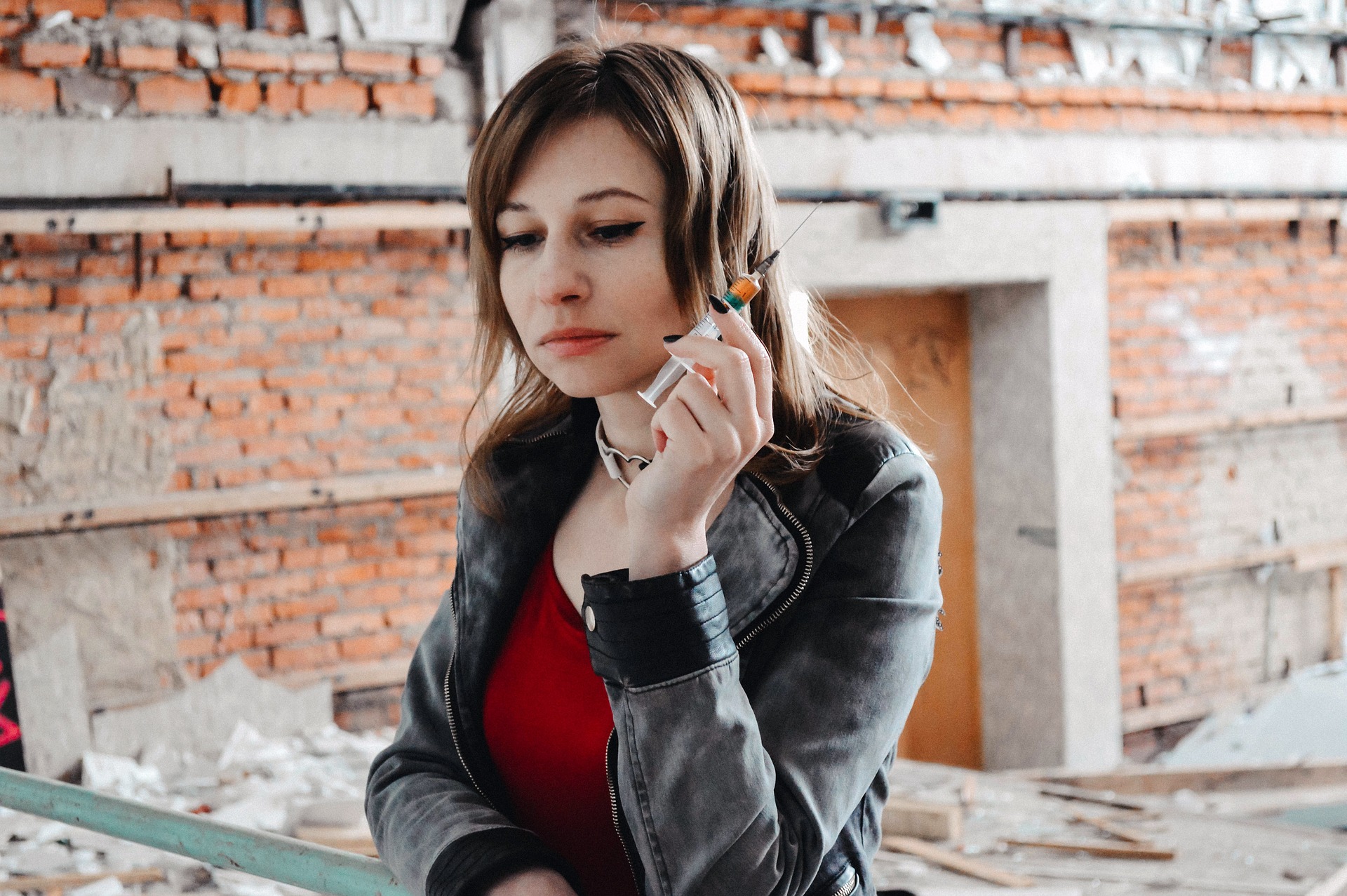
It is illegal to sell illicit drugs in the free market
If illicit drugs were legal and easy to obtain, some people would try them to cope with difficult times, such as depression. Different drugs present very different risks. Some are extremely addictive, some are particularly likely to cause overdose, and others are less dangerous. The restrictions and treatment must reflect the nature of each drug.
Making illicit drugs legal to sell would allow the unrestricted sale of potentially hazardous products. Individual freedom stops where that individual harms others. It makes sense to restrict the sale of products capable of causing addiction, overdose or other serious harm.
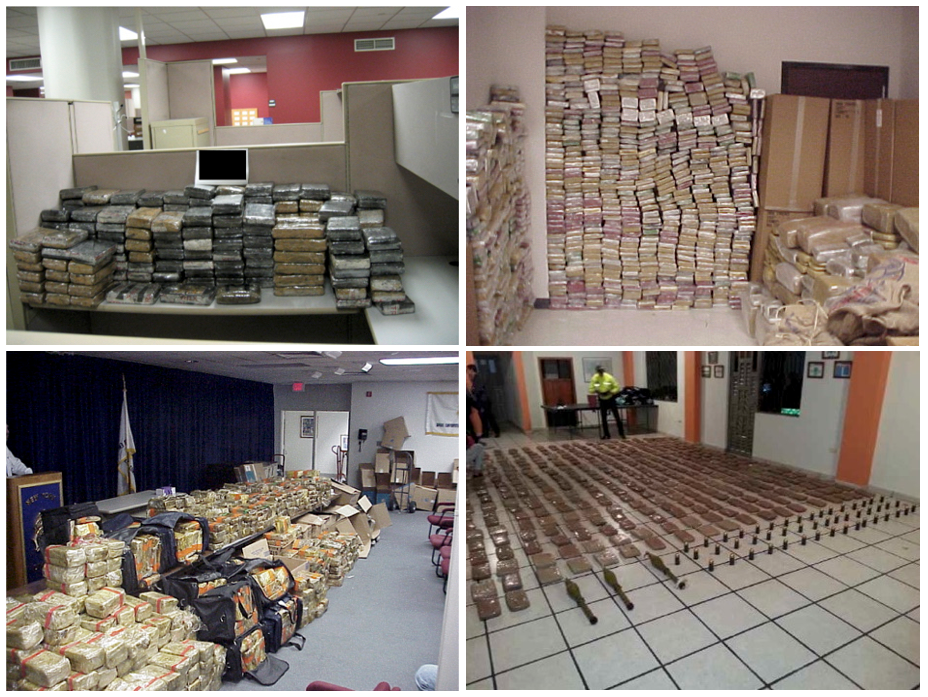
Drug trafficking is a global, multibillion-dollar business
There is a black market for the supply of drugs, driven by high street prices and high demand, and this provides tremendous funding for criminal activity.
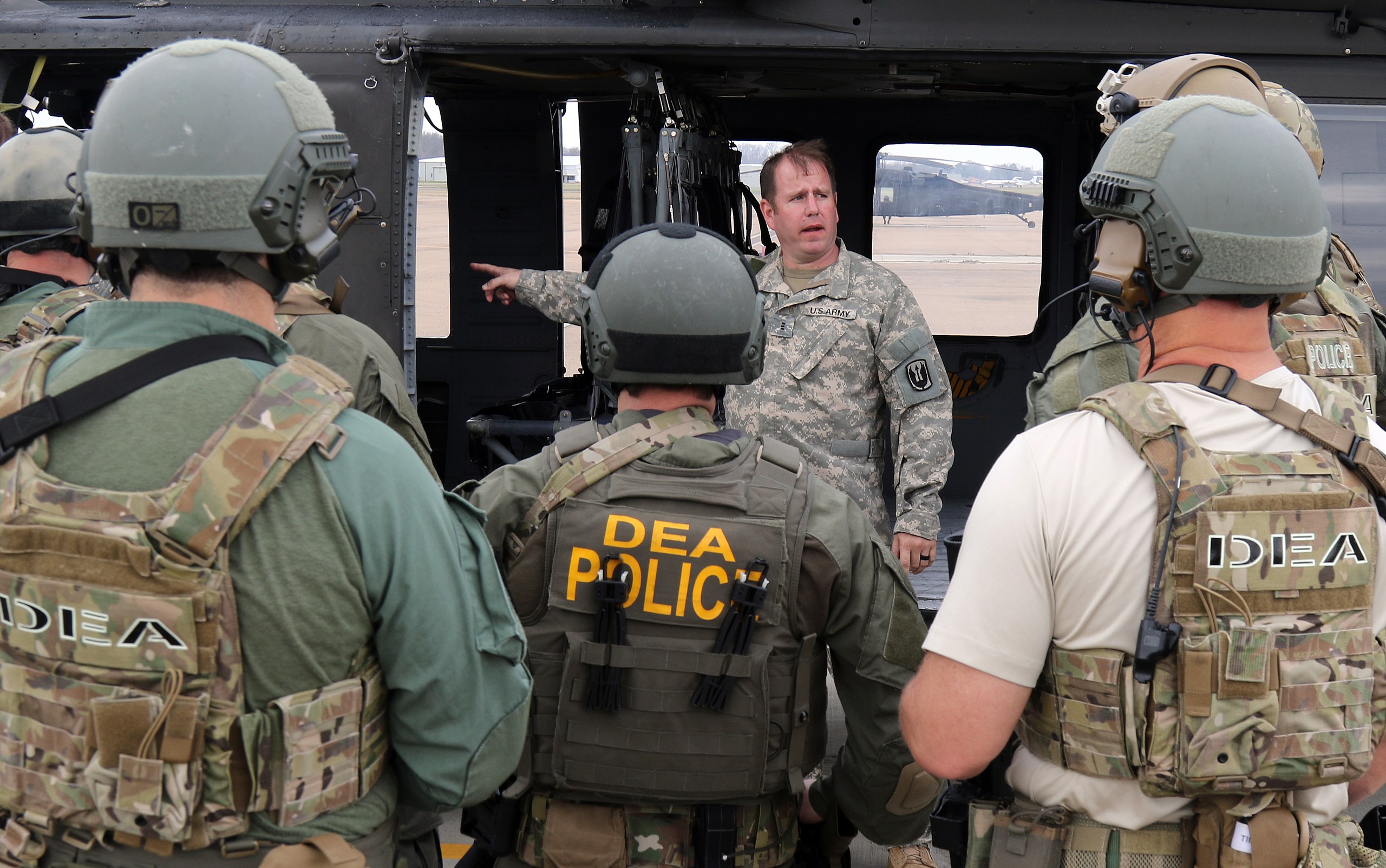
Law enforcement such as the DEA
Using law enforcement such as the DEA (the Drug Enforcement Administration) to try to stamp out drug trafficking is difficult, dangerous and expensive. Mexico has recorded more than 463,000 homicides since declaring war on the drug cartels in 2006. Not all of those deaths can be attributed directly to the drug war, but the scale of violence is staggering. By early 2026, more than 130,000 people were also officially registered as missing. Source.
A better approach: public services to help people with drug addictions
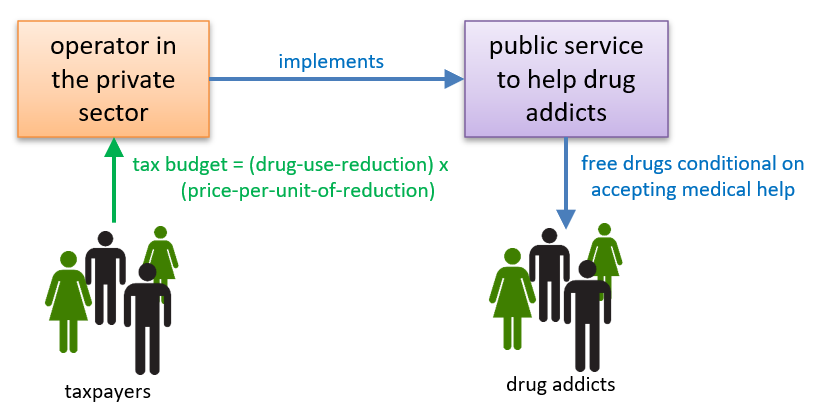
Although drugs are illegal to sell in the free market, consider that public health system services exist that make drugs available to addicted drug users for free, but subject to acceptance of medical treatment. People who are not addicted are turned away. Addicted patients do not need to be ready to reduce their consumption immediately: treatment may begin by stabilising them and reducing harm until they are ready.
Whether consumption must be supervised depends on the nature of the drug. Heroin, for example, is consumed under medical supervision.

Performance of these public services is based on how well they reduce each patient's drug use. It is important that these public services are funded with tax on the basis of positive outcomes—that is, using quantifiable measures of how much they are reducing drug use in each individual. Independent third-party monitoring verifies the outcomes while protecting medical privacy. Medical personnel must also be incentivised to achieve successful outcomes, particularly the actual reduction of drug use. The drugs must be manufactured to strict pharmaceutical quality and safety standards. Within those standards, the operator profits by producing them efficiently. The operator is incentivised to use the free drugs to bring in people with an addiction, stabilise them and reduce their dependence when medically appropriate.
By meeting much of the demand from people with an addiction, these services can undercut part of the illegal market, reduce street prices and deprive drug cartels of revenue. They will not eliminate trafficking, because demand outside the treatment system remains, but they can reduce its scale and profitability.