Chapter 23: Voting
The people vote on initiatives, not on parties or leaders. This is direct democracy, not representational democracy. Instead of competing politicians, there are competing technocrats, designing competing initiatives with competing goals. The great virtue of this system is that the people have the final say.
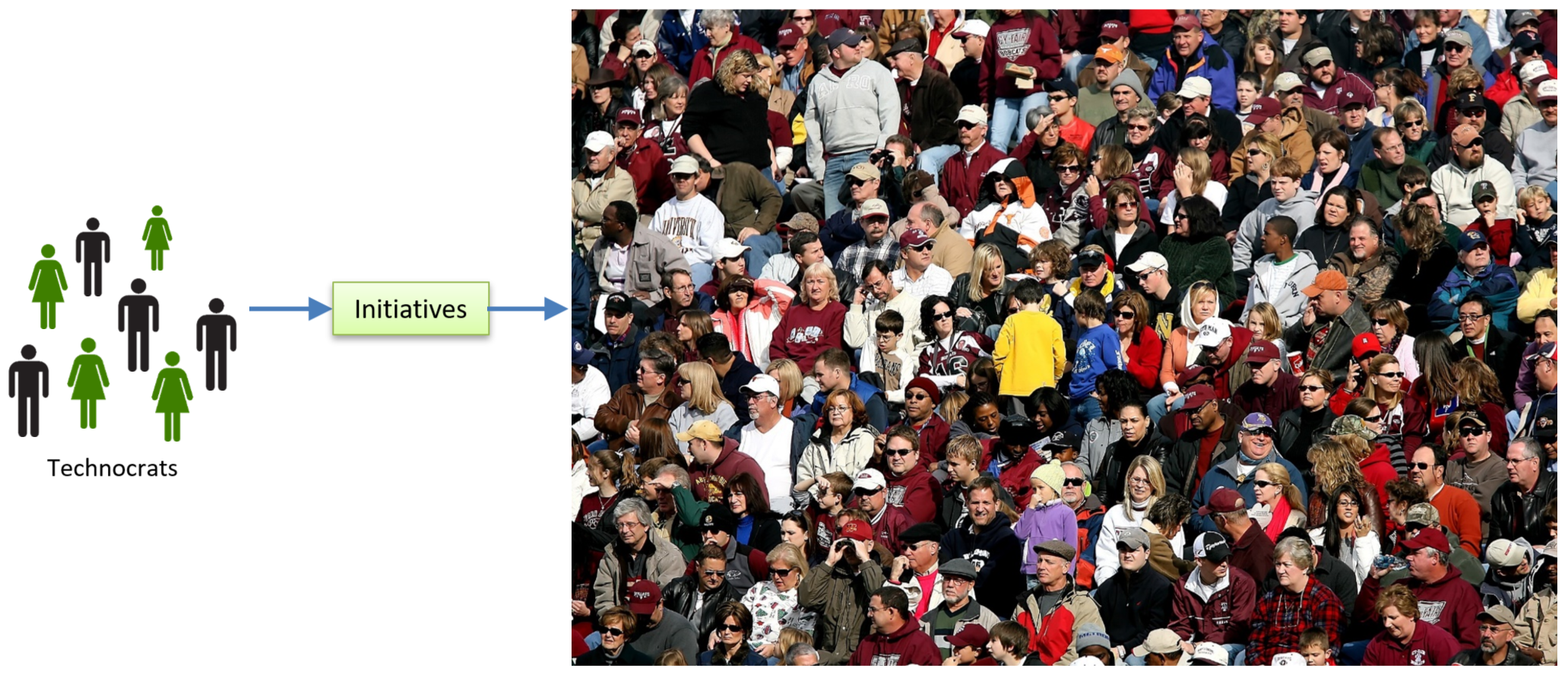
In representational democracy, much of the debate centers on a candidate’s morals or values. It is assumed these qualities underpin their decision‑making, and voters often prefer candidates who share their values. But this is highly subjective. Direct democracy shifts the focus to objective questions about the strengths and weaknesses of technical initiatives.
Of course, people live unique lives. An initiative that matters deeply to one person may be irrelevant to another. That’s why voting is voluntary. With thousands of initiatives, the information load is enormous, and most people rarely vote. They only participate in the initiatives that matter to them.
But in a nation of a hundred million people, even if only a few percent take serious interest, that still means millions of citizens, many with expertise, collectively scrutinizing and evaluating thousands of initiatives. This capacity to process information far exceeds anything a political party could achieve.
Technical experts debate the merits of initiatives, explain expected outcomes, and highlight strengths and weaknesses. They often translate complex issues into plain language, so the public can understand what it means for them. Organized debates and social media discussions amplify awareness, spark interest, and drive participation.

Ultimately, the people decide. Voting is performed online, through secure accounts with biometric identity checks. Citizens can vote anywhere, anytime, from their own devices. There are no polling stations and no queues.

Voting means rating an initiative. Citizens are encouraged to rate the public services they value or personally use. To ensure informed participation, voters must demonstrate a reasonable understanding of the initiative, verified through randomly selected multiple‑choice questions before their vote is submitted. Voting on an initiative remains open, so a user can change their vote at any time and as many times as they like.
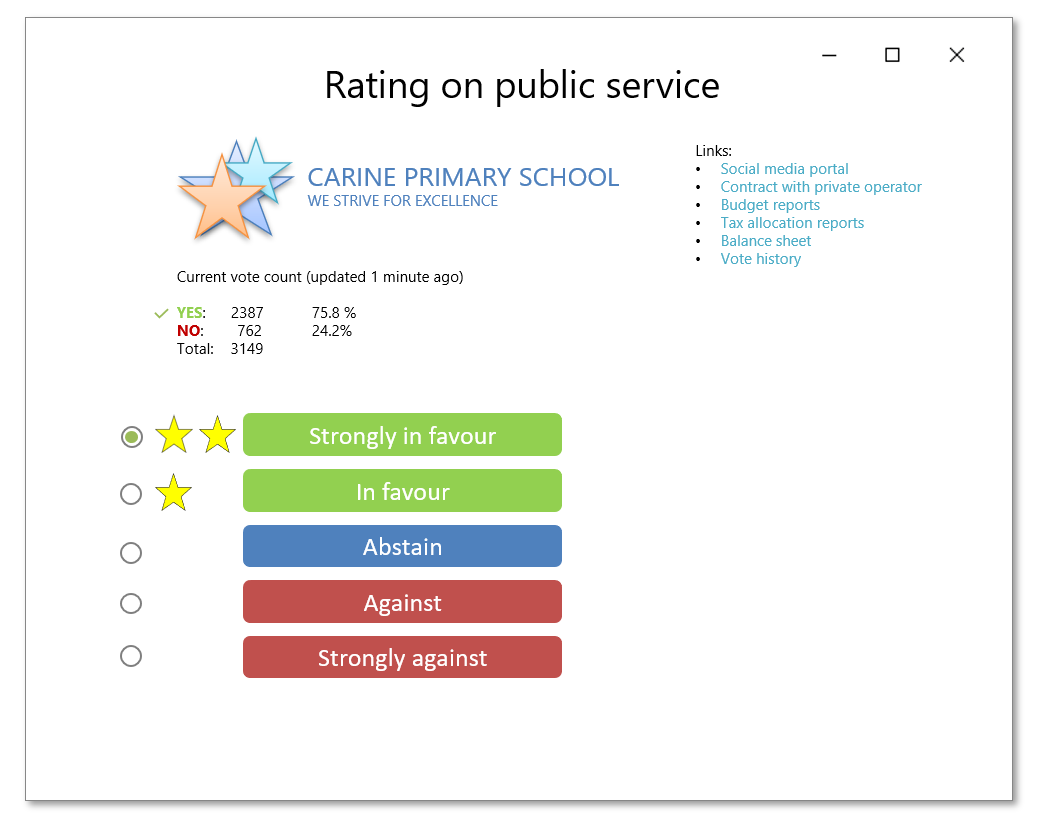
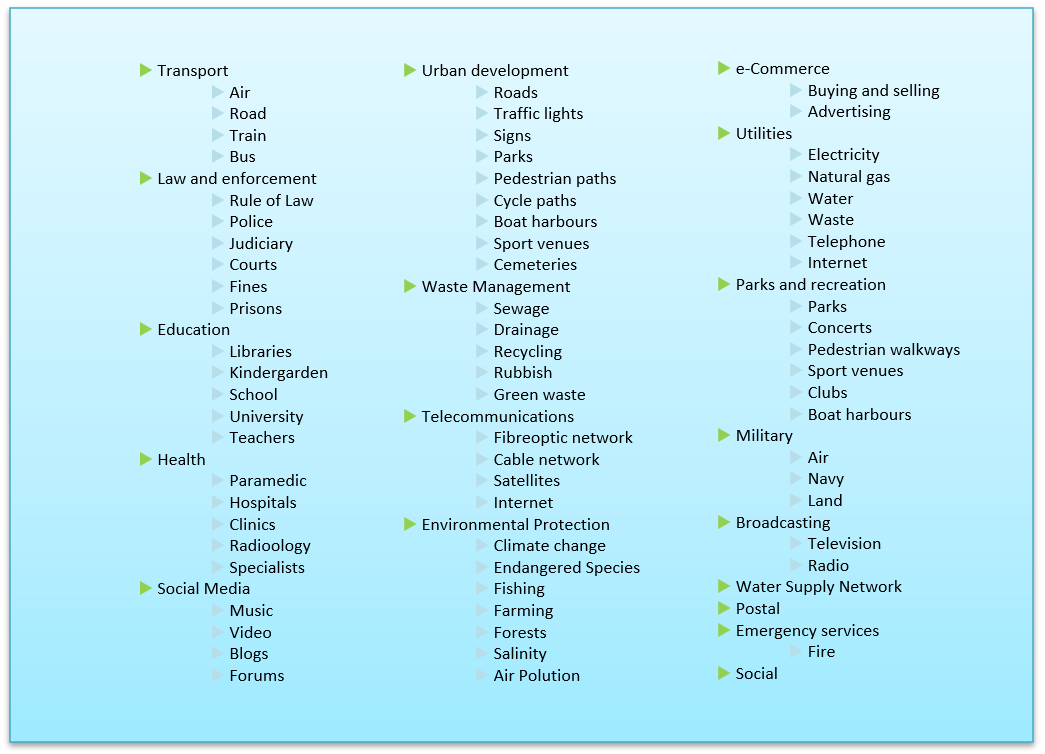
There may be thousands of public services, so the user interface needs to make it easy to browse, filter, search and retrieve information about services.
The Myth of the Rational Voter
There is evidence that the more that people are ignorant of economic and political systems the more they have systematic irrationality and bias in specific directions, particularly in the following areas:
- Anti-market bias: A tendency to underestimate the benefits of the market mechanism and the "invisible hand" that harmonizes private greed with public interest.
- Anti-foreign bias: A bias against foreigners, which leads to underestimating the benefits of international trade and immigration.
- Make-work bias: The mistaken belief that economic prosperity is driven by employment (jobs) rather than production (output), which leads to support for policies that preserve inefficient jobs.
- Pessimistic bias: A tendency to overestimate the severity of economic problems and believe that the economy is constantly in decline.
See Bryan Caplan The Myth of the Rational Voter: Why Democracies Choose Bad Policies 2007.
The constitution avoids these issues by taking precedence over democracy in exactly the areas where systemic bias of ignorant voters is a problem. The constitution doesn't allow the state to interfere with the free market, including foreign trade.